The Catcher in the Rye PDF Book: A Comprehensive Guide (Updated 05/04/2026)
Navigating digital literature, finding a PDF version of J.D. Salinger’s classic can be tricky; tools like aTube Catcher, while useful for video downloads, aren’t directly related to accessing this novel.
What is “The Catcher in the Rye”?
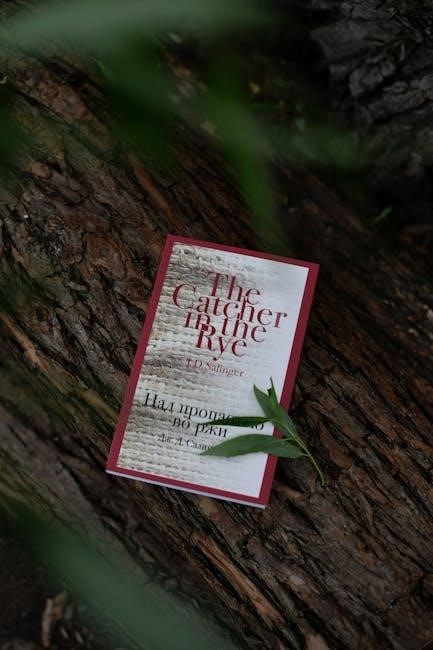
“The Catcher in the Rye”, published in 1951, is a coming-of-age novel by J.D. Salinger, narrated by sixteen-year-old Holden Caulfield. The story follows Holden’s experiences in New York City after being expelled from Pencey Prep, a boarding school. It’s a deeply personal and often cynical exploration of adolescence, alienation, and the search for authenticity.
The novel doesn’t directly involve PDF formats, as it predates widespread digital book distribution. However, the enduring popularity of “The Catcher in the Rye” has led to numerous digital versions, including PDFs, becoming available online. These digital copies offer convenient access to the text, though questions of legality and source reliability are crucial considerations when seeking a PDF book.
Holden’s voice is distinctive – raw, honest, and filled with teenage angst. He grapples with the “phoniness” he perceives in the adult world, longing for genuine connection while simultaneously pushing people away. The narrative is non-linear, reflecting Holden’s fragmented emotional state. The book’s impact on literature and culture is undeniable, sparking both praise and controversy for its language and themes.
Historical Context of the Novel
“The Catcher in the Rye” emerged in the post-World War II era, a period of significant social and cultural change in the United States. The 1950s were marked by conformity, consumerism, and a growing sense of unease beneath a seemingly idyllic surface. This backdrop profoundly influenced Salinger’s novel, which challenged prevailing societal norms.
The rise of teenage culture and the anxieties surrounding youth identity were central themes. Holden Caulfield’s alienation resonated with a generation questioning traditional values. While the initial publication didn’t directly relate to PDF book distribution – digital formats were decades away – the novel’s themes quickly captured the zeitgeist.
The Cold War’s atmosphere of fear and uncertainty also subtly permeates the narrative. The search for authenticity and meaning in a world perceived as increasingly artificial became a defining characteristic of the era. Today, accessing the novel via PDF allows a new generation to connect with this historical context.
The Author: J.D. Salinger
Jerome David Salinger, born in 1919, remains an enigmatic figure in American literature. His life, marked by wartime experiences and a subsequent retreat from public view, deeply informed his writing. While he didn’t foresee the age of the PDF book, his work continues to thrive in digital formats.
Salinger’s own struggles with alienation and disillusionment are powerfully reflected in Holden Caulfield. He served in WWII, an experience that profoundly impacted his worldview and contributed to the novel’s themes of trauma and loss. After the immense success of “The Catcher in the Rye,” he became increasingly reclusive, refusing interviews and fiercely protecting his privacy.
This withdrawal fueled the mystique surrounding both the author and his most famous work. Today, readers accessing a PDF version of the novel often seek to understand the man behind the story, exploring the connection between his life and the enduring power of his prose.
Finding “The Catcher in the Rye” PDF Online
Locating a PDF version of “The Catcher in the Rye” often begins with a simple internet search, but results can be varied and unreliable. While tools like aTube Catcher are designed for video downloads, they aren’t relevant for finding literary texts. Numerous websites claim to offer free downloads, however, caution is paramount.
Many sites hosting PDF books illegally pose risks, including malware and copyright infringement. Search engines frequently lead to these questionable sources. It’s crucial to prioritize legal and safe access methods. Utilizing library databases and authorized eBook retailers are far more secure options.

Be wary of sites requesting personal information or displaying excessive advertisements. Always verify the legitimacy of a source before downloading any file, especially when seeking a PDF of a copyrighted work;
Legality of Downloading PDF Versions
Downloading PDF versions of “The Catcher in the Rye” without authorization is generally illegal. Copyright law protects J.D. Salinger’s work, and distributing or obtaining it through unauthorized channels constitutes infringement. While tools like aTube Catcher facilitate video downloads, they don’t alter the legal status of copyrighted material.
Unauthorized downloads expose users to potential legal consequences, including fines and lawsuits, though prosecution of individual downloaders is relatively rare. More significantly, supporting illegal distribution undermines the author’s rights and the publishing industry.
Legal alternatives, such as purchasing the eBook or borrowing it from a library, ensure compliance with copyright laws and support the creators of the work. Prioritizing legitimate sources is crucial for ethical and legal reading.
Reliable Sources for Legal PDF Access
Securing a legal PDF of “The Catcher in the Rye” requires utilizing reputable platforms. Major eBook retailers like Amazon Kindle Store, Barnes & Noble Nook, and Kobo offer authorized digital versions for purchase. These platforms guarantee copyright compliance and a quality reading experience.
Online libraries, such as OverDrive and Libby, provide access to eBooks through library borrowing systems, often free with a library card. Project Gutenberg, while focusing on public domain works, doesn’t currently host “The Catcher in the Rye” due to copyright restrictions.
Publisher websites, specifically those of Little, Brown and Company (the original publisher), may also offer direct eBook purchases. Avoid websites promising free PDF downloads, as these are frequently illegal and may contain malware. Remember, aTube Catcher is for video downloads, not eBooks.
Understanding PDF Formats & Compatibility
PDF (Portable Document Format) is a widely used file type designed to preserve document formatting across various platforms. However, PDF versions can vary. Standard PDFs are universally compatible, while some may include DRM (Digital Rights Management) restrictions, limiting printing or copying.
“The Catcher in the Rye” PDFs, when legally obtained, typically adhere to standard PDF/A formats for long-term archiving. Compatibility issues can arise with older PDF readers or devices. Ensure your software is updated for optimal viewing.
Reflowable PDFs, designed for smaller screens, may slightly alter the original page layout. While aTube Catcher assists with video formats, it doesn’t impact PDF compatibility. Checking the PDF specifications (version, DRM status) can help troubleshoot potential problems.
PDF Readers and Software Options
Numerous software options exist for viewing “The Catcher in the Rye” in PDF format. Adobe Acrobat Reader DC is the industry standard, offering comprehensive features and compatibility. Alternatives include Foxit Reader, known for its speed and smaller file size, and SumatraPDF, a lightweight, open-source option.
Mobile devices support PDF viewing through apps like Apple Books (iOS) and Google Play Books (Android). These apps often offer features like bookmarking and annotation. While aTube Catcher focuses on video downloads, it doesn’t provide PDF reading capabilities.
Online PDF readers, accessible through web browsers, provide a convenient, no-installation solution. Choosing the right reader depends on your needs – features, platform, and performance considerations are key.
Troubleshooting PDF Issues (Opening, Viewing)
Encountering problems opening “The Catcher in the Rye” PDF? Ensure your PDF reader (Adobe Acrobat, Foxit, etc.) is updated to the latest version. Corrupted files can cause errors; try downloading the PDF again from a reliable source. Compatibility issues may arise with older readers – upgrading is recommended.
If the PDF opens but displays incorrectly, check your reader’s display settings. Font embedding issues can cause text to appear garbled; ensure fonts are properly installed. While aTube Catcher assists with video downloads, it won’t resolve PDF viewing problems.
For persistent issues, try a different PDF reader or consult online forums for specific error messages. Clearing the reader’s cache can also help.
Plot Summary: A Deep Dive
“The Catcher in the Rye” follows sixteen-year-old Holden Caulfield’s experiences in New York City after being expelled from Pencey Prep. Disillusioned and alienated, Holden avoids returning home, instead wandering the city for several days. He seeks genuine connection but finds himself repelled by the “phoniness” he perceives in the adult world.
His encounters with former teachers, acquaintances, and strangers highlight his emotional turmoil and struggle with identity. Holden’s obsession with protecting childhood innocence is central, symbolized by his fantasy of being a “catcher in the rye,” saving children from falling off a cliff.
The narrative culminates in a breakdown and eventual hospitalization, leaving his future uncertain. While aTube Catcher isn’t related to the story, understanding the plot is key to appreciating Salinger’s work.
Key Characters and Their Significance
Holden Caulfield, the protagonist, embodies teenage angst and alienation, serving as the novel’s emotional core. Phoebe Caulfield, his younger sister, represents innocence and genuine connection, offering Holden a glimmer of hope. Mr. Antolini, a former teacher, attempts to guide Holden but ultimately disappoints him, highlighting the complexities of adult relationships.
Stradlater, Holden’s handsome and popular roommate, symbolizes the superficiality Holden despises. Jane Gallagher, a girl Holden cares for deeply, remains largely absent but represents lost innocence and a potential for genuine connection. These characters, while seemingly disparate, collectively illuminate Holden’s internal struggles.
Understanding their roles is crucial when exploring the novel, even when accessing it via a PDF; aTube Catcher, though a download tool, doesn’t offer character insights.
Holden Caulfield: Analysis of the Protagonist
Holden Caulfield is a complex and deeply flawed character, grappling with grief, identity, and the perceived phoniness of the adult world. His cynicism acts as a defense mechanism against vulnerability, masking a profound loneliness and desire for genuine connection. He’s a keen observer, yet struggles to articulate his feelings effectively, leading to miscommunication and isolation.

His expulsion from Pencey Prep symbolizes his rejection of societal expectations and his inability to conform. Holden’s obsession with preserving innocence, particularly Phoebe’s, reveals his own lost childhood and fear of growing up. Analyzing him, even through a PDF version, requires understanding his internal contradictions.
Tools like aTube Catcher, while useful for accessing content, offer no insight into Holden’s psyche.
Themes Explored in the Novel
“The Catcher in the Rye” delves into universal themes of alienation, loss of innocence, and the struggle for authenticity. Holden’s journey highlights the painful transition from childhood to adulthood, marked by disillusionment and a rejection of societal “phoniness.” The novel explores the isolating effects of grief and the difficulty of forming genuine connections in a superficial world.
The search for identity is central, as Holden grapples with his place in society and his own internal contradictions. While accessing a PDF version provides the text, understanding these themes requires deeper analysis. Tools like aTube Catcher, focused on video downloads, are irrelevant to this literary exploration.

The novel’s enduring power lies in its honest portrayal of adolescent angst and the search for meaning.
Alienation and Loneliness
Holden Caulfield’s profound sense of alienation and loneliness permeates “The Catcher in the Rye.” He feels disconnected from the adult world, perceiving it as artificial and hypocritical, leading to his self-imposed isolation. This emotional distance fuels his cynical outlook and inability to form lasting relationships.
While a PDF version of the book offers access to the narrative, it doesn’t inherently address the feeling of isolation Holden experiences. Tools like aTube Catcher, designed for downloading videos, are unrelated to understanding this core theme. Holden’s attempts to connect with others are consistently thwarted, reinforcing his loneliness.
His expulsion from school and wandering through New York City symbolize his detachment from conventional society and his desperate search for belonging.

Loss of Innocence and the Pain of Growing Up
“The Catcher in the Rye” powerfully portrays the painful transition from childhood innocence to adult awareness. Holden Caulfield grapples with the complexities of a world he perceives as corrupt and disillusioning, desperately clinging to the purity of childhood. His obsession with protecting children, symbolized by his fantasy of being the “catcher in the rye,” reflects his fear of this inevitable loss.
Accessing a PDF version of the novel allows readers to explore these themes, but tools like aTube Catcher – used for downloading videos – offer no insight into Holden’s emotional turmoil. The novel doesn’t shy away from depicting the awkwardness, confusion, and heartbreak inherent in growing up.

Holden’s experiences highlight the vulnerability and pain associated with confronting reality and accepting the imperfections of the world.
Symbolism in “The Catcher in the Rye”
J.D. Salinger masterfully employs symbolism throughout “The Catcher in the Rye”, enriching the narrative and deepening its thematic resonance. While a PDF version of the book provides access to the text, understanding these symbols unlocks a greater appreciation for the novel’s artistry. The red hunting hat, for instance, represents Holden’s individuality and his attempt to shield himself from the world.
The Museum of Natural History symbolizes Holden’s desire for permanence and stability in a constantly changing world. Tools like aTube Catcher, designed for video downloads, are irrelevant to deciphering these literary devices.
Exploring these symbols within the PDF allows for a richer, more nuanced reading experience, revealing layers of meaning beyond the surface narrative.
The Red Hunting Hat
Holden Caulfield’s iconic red hunting hat is arguably the most recognizable symbol in “The Catcher in the Rye.” Accessing a PDF version of the novel allows for close textual analysis, revealing the hat’s multifaceted significance. Initially, Holden purchases it as a form of self-protection, pulling it down low to shield himself from unwanted attention and the “phoniness” of the adult world.
However, the hat also represents Holden’s individuality and his rebellious spirit. He often wears it backwards, further emphasizing his nonconformity. While tools like aTube Catcher facilitate video downloads, they offer no insight into this crucial literary element.
The hat’s color, red, can symbolize passion, energy, and even danger, mirroring Holden’s internal turmoil. Studying the hat within the PDF enhances understanding of Holden’s character.
The Museum of Natural History
The Museum of Natural History serves as a recurring and deeply symbolic location in “The Catcher in the Rye.” A readily available PDF copy of the book allows readers to revisit Holden’s visits and analyze their importance. Holden finds solace in the museum’s unchanging exhibits, a stark contrast to the constant change and perceived “phoniness” he experiences elsewhere.
The dioramas, frozen in time, represent a desire for permanence and a rejection of the complexities of growing up. While software like aTube Catcher focuses on downloading online videos, it doesn’t offer access to this literary haven.
Holden’s fascination with the museum highlights his longing for innocence and his fear of the inevitable changes that come with adulthood. Examining these scenes within the PDF provides a deeper understanding of his emotional state.
Critical Reception and Controversy
“The Catcher in the Rye” sparked significant debate upon its release, and continues to do so, even with widespread access through PDF formats. Initially praised for its authentic portrayal of teenage angst, the novel quickly faced censorship attempts due to its language, sexual content, and perceived promotion of rebellion.
Critics were divided; some lauded Salinger’s innovative narrative voice, while others condemned Holden Caulfield’s cynicism. The availability of a PDF version hasn’t diminished the controversy, but rather allows for broader engagement with the challenging themes.

Interestingly, tools like aTube Catcher, designed for video downloads, are irrelevant to this literary discussion. The book’s enduring power lies in its ability to provoke thought and challenge societal norms, fueling ongoing critical analysis and debate.
Censorship History of the Book
“The Catcher in the Rye” boasts a remarkably extensive censorship history, beginning shortly after its 1951 publication. Frequently challenged in schools and libraries, the novel has been banned or restricted due to its profanity, sexual references, and perceived undermining of authority. The rise of PDF distribution hasn’t lessened these challenges, but shifted the battleground.
Attempts to control access often centered on protecting youth from “harmful” content. Ironically, the very act of banning fueled the book’s notoriety and appeal. Tools like aTube Catcher, used for downloading videos, are unrelated to this literary censorship.
Despite ongoing legal challenges, the novel remains widely available, including in PDF form, demonstrating the difficulty of suppressing ideas in the digital age. The censorship history underscores the book’s enduring power to provoke and challenge.
Impact on Literature and Culture
“The Catcher in the Rye” profoundly impacted literature and culture, establishing a new voice in American fiction – that of the alienated adolescent. Its influence extends beyond literary circles, shaping perceptions of teenage angst and rebellion. The accessibility of the novel, even through PDF formats, has amplified its reach across generations.
While tools like aTube Catcher facilitate video downloads, they don’t diminish the book’s cultural significance. Salinger’s novel paved the way for more honest and unflinching portrayals of youth. It continues to resonate with readers grappling with identity, loss, and societal expectations.
The book’s enduring popularity, regardless of format – print, eBook, or PDF – testifies to its timeless themes and relatable protagonist. It remains a staple in high school curricula and a touchstone for understanding the complexities of growing up.
“The Catcher in the Rye” Study Guides & Resources
Numerous study guides and resources are available to enhance understanding of Salinger’s novel, even when accessed as a PDF. These materials offer in-depth analyses of characters, themes, and literary techniques. While tools like aTube Catcher are unrelated to literary study, they highlight the broader digital landscape.
Students and enthusiasts can find valuable insights through online platforms, academic databases, and dedicated websites. These resources often include chapter summaries, character profiles, and critical essays. Exploring these aids can deepen appreciation for the novel’s complexities.
PDF versions of the book themselves can sometimes be supplemented with annotations or study questions. Regardless of the format, a wealth of scholarly material exists to support a comprehensive exploration of “The Catcher in the Rye” and its enduring legacy.
Online Discussion Forums and Communities
Engaging with fellow readers through online forums and communities provides a dynamic space to discuss “The Catcher in the Rye,” regardless of whether you’re reading a PDF or a physical copy. These platforms foster diverse interpretations and perspectives on Salinger’s work.
While tools like aTube Catcher serve different purposes – video downloading – they exemplify the interconnectedness of the digital world where literary discussions thrive. Forums allow users to share insights, ask questions, and debate the novel’s themes and characters.
Participating in these communities can enrich your understanding and appreciation of the book. Many dedicated groups exist specifically for “The Catcher in the Rye,” offering a vibrant hub for analysis and shared enthusiasm. It’s a great way to connect with other fans!
Academic Articles and Literary Criticism
Delving into scholarly analysis elevates understanding beyond casual reading, even when accessing “The Catcher in the Rye” as a PDF. Academic articles and literary criticism offer in-depth explorations of the novel’s complexities, historical context, and enduring relevance.
While tools like aTube Catcher are unrelated to academic research – focusing on video downloads – they represent the broader digital landscape where scholarly resources are increasingly accessible. These articles dissect themes like alienation, loss of innocence, and the critique of societal phoniness.
Exploring critical essays provides nuanced interpretations and challenges preconceived notions. Databases and online journals host a wealth of scholarly work, offering diverse perspectives on Salinger’s masterpiece. This rigorous analysis enhances appreciation and fosters critical thinking.

Alternatives to PDF: eBook Formats (ePub, Mobi)
Beyond the PDF format, exploring alternative eBook options like ePub and Mobi offers enhanced reading experiences for “The Catcher in the Rye.” These formats often provide adjustable font sizes, margins, and built-in dictionaries, catering to individual preferences.
While tools like aTube Catcher are designed for video downloads and unrelated to eBook formats, they highlight the diverse digital content available. ePub is widely supported across various devices and platforms, including Apple Books and Kobo, while Mobi is favored by Kindle users.
Choosing ePub or Mobi can improve readability and accessibility compared to a static PDF. These formats reflow text to fit the screen, ensuring a comfortable reading experience on any device. Consider these options for a more dynamic engagement with Salinger’s novel.
Converting PDF to Other eBook Formats
If you’ve obtained a PDF copy of “The Catcher in the Rye,” converting it to more versatile eBook formats like ePub or Mobi can significantly enhance your reading experience. While aTube Catcher focuses on video downloads and isn’t a conversion tool, several dedicated software options facilitate this process.
Calibre, a free and open-source eBook management software, is a popular choice for PDF conversion. Online converters also exist, though caution is advised regarding file security and privacy. The conversion process isn’t always perfect, potentially leading to formatting inconsistencies.
Carefully review the converted file to ensure readability and accuracy. Adjustments may be needed to correct any errors. Converting to ePub or Mobi allows you to enjoy the novel on a wider range of devices with customizable reading settings.

Where to Purchase eBook Versions Legally
Securing a legitimate eBook copy of “The Catcher in the Rye” supports the author’s estate and ensures a quality reading experience, avoiding the risks associated with unauthorized downloads. While tools like aTube Catcher are designed for video content, they don’t offer access to legally purchased eBooks.
Major eBook retailers such as Amazon Kindle Store, Apple Books, Google Play Books, and Kobo are reliable sources. These platforms offer the novel in various eBook formats (ePub, Mobi) compatible with most devices. Prices are generally competitive, and occasional sales provide further savings.
Purchasing legally also grants access to features like adjustable font sizes, built-in dictionaries, and syncing across devices. Supporting legitimate channels protects intellectual property and fosters a sustainable literary ecosystem.