Somewhere Over the Rainbow Piano PDF: A Comprehensive Guide
Discover readily available piano sheet music for “Somewhere Over the Rainbow,” exploring both free and paid PDF options,
catering to various skill levels and musical preferences for instant play!
Understanding the Song’s Popularity
“Somewhere Over the Rainbow” transcends generations, becoming a timeless ballad of hope and longing․ Its enduring appeal stems from its universal message – the yearning for a better place, a dreamscape free from earthly troubles․ Originally featured in the 1939 film The Wizard of Oz, the song resonated deeply with audiences facing the backdrop of the Great Depression and looming war․
The song’s melodic beauty, crafted by Harold Arlen, combined with E․Y․ Harburg’s poignant lyrics, creates an emotional depth that continues to captivate listeners․ Its simplicity allows for diverse interpretations, making it a favorite for vocalists and instrumentalists alike․ The availability of “Somewhere Over the Rainbow” piano PDFs further fuels its popularity, enabling musicians of all levels to learn and perform this iconic piece․
The song’s message of optimism and the pursuit of dreams remains powerfully relevant today, solidifying its place in the cultural canon and ensuring its continued popularity for years to come․
The Historical Context of “Over the Rainbow”
“Over the Rainbow” debuted during a pivotal moment in history – 1939, as the world teetered on the brink of World War II․ The United States was still grappling with the Great Depression, and a sense of uncertainty permeated society․ Within this context, the song’s message of hope and escape resonated profoundly with audiences yearning for a brighter future․
Originally written for Judy Garland’s character, Dorothy, in The Wizard of Oz, the song wasn’t initially considered a standout track․ However, its emotional depth and universal themes quickly propelled it to iconic status․ The song’s copyright, renewed by Metro-Goldwyn-Mayer and EMI Feist Catalog Inc․, reflects its lasting cultural significance․
Today, the accessibility of “Over the Rainbow” piano PDFs allows musicians to connect with this historical moment through performance, preserving and reinterpreting a song born from a time of both hardship and hope․ It’s a testament to the song’s enduring power;
“Over the Rainbow” in The Wizard of Oz
“Over the Rainbow” isn’t merely a standalone song; it’s intrinsically linked to its origin within The Wizard of Oz․ Initially, studio executives weren’t convinced of its potential, deeming it too slow and melancholic for a musical aimed at children․ However, Judy Garland’s heartfelt performance and the song’s poignant lyrics ultimately won them over․
The scene itself, with Dorothy gazing longingly towards the horizon, perfectly encapsulates the song’s theme of yearning for a better place․ The song serves as Dorothy’s introduction, establishing her character’s innocence and desire for escape․ Its placement within the film is crucial, setting the emotional tone for her journey․
The enduring popularity of both the film and the song fuels the demand for “Over the Rainbow” piano PDFs, allowing pianists to recreate the magic and emotional resonance of this iconic cinematic moment․ It remains a beloved piece for performers of all levels․
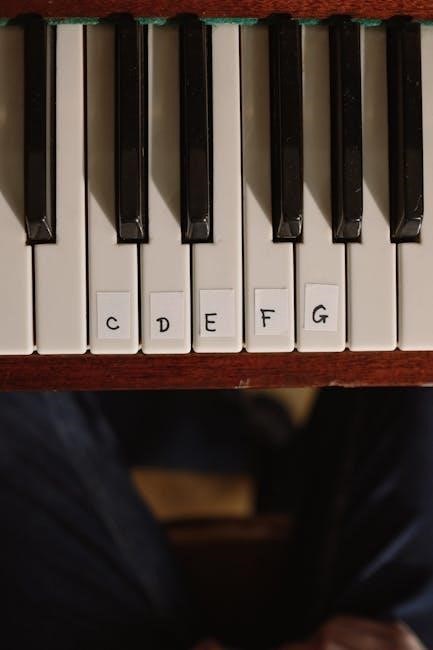
Finding Piano Sheet Music
Locate diverse “Somewhere Over the Rainbow” piano PDFs – from free online resources to premium options like Alfred Music, offering varied arrangements and skill levels․
Free “Somewhere Over the Rainbow” Piano PDFs
Numerous websites offer free piano sheet music for “Somewhere Over the Rainbow,” catering to different skill levels․ Sheetsfree․com provides a digital download, emphasizing accessibility even for those unfamiliar with traditional sheet music notation․ This approach allows musicians to focus on melody and harmony, letting their fingers follow along intuitively;
However, be mindful of the quality and accuracy of free PDFs․ Some may contain errors or incomplete arrangements․ Websites hosting user-submitted sheet music may vary in reliability․ Always cross-reference with recordings to ensure the arrangement aligns with the intended sound․ While convenient, free options often lack the polish and detailed annotations found in professionally published sheet music․ Explore various sources and compare arrangements before settling on one that suits your needs and abilities․ Remember to respect copyright considerations when utilizing free resources․
Paid “Somewhere Over the Rainbow” Piano PDF Options (Alfred Music)
Alfred Music presents professionally arranged sheet music for Katharine McPhee’s rendition of “Somewhere Over the Rainbow,” available as a digital download․ This option guarantees accuracy and high-quality notation, ideal for serious piano students and performers․ Alfred’s publications are known for their meticulous attention to detail, including clear fingerings and dynamic markings․
Investing in paid sheet music ensures you receive a reliable and complete arrangement, avoiding potential errors found in free alternatives․ Alfred Music’s offerings often include accompaniments and vocal lines, providing a comprehensive musical experience․ These PDFs are suitable for intermediate to advanced players seeking a polished and authentic interpretation of the classic song․ Purchasing from reputable publishers like Alfred also supports the composers and copyright holders, ensuring continued musical creativity․
Sheet Music Websites Offering the Song
Numerous online platforms host “Somewhere Over the Rainbow” piano sheet music in PDF format․ Sheetmusicfree․com provides downloadable versions, emphasizing ease of access and immediate playability․ Other websites, like Musicnotes․com and Sheetmusicplus․com, offer a wider selection of arrangements, ranging from beginner-friendly to complex jazz interpretations, often with interactive features․
Exploring these sites allows you to compare prices, arrangements, and user reviews before making a purchase․ Many platforms offer previews, enabling you to assess the sheet music’s suitability for your skill level․ Remember to check licensing terms, especially if you intend to use the music for public performance․ Websites frequently update their catalogs, so regularly checking can reveal new arrangements or special offers․ Always prioritize legitimate sources to support copyright and ensure quality․

Types of Piano Arrangements Available
Explore diverse arrangements – beginner, intermediate, and advanced – including jazz interpretations of “Somewhere Over the Rainbow” piano PDFs,
tailored to varying skill levels and musical tastes!
Beginner Piano Arrangements
For aspiring pianists, beginner arrangements of “Somewhere Over the Rainbow” simplify the iconic melody into manageable sections․ These versions often feature simplified chord progressions, utilizing primarily root position chords and avoiding complex inversions․ Melody lines are typically presented with fewer embellishments, focusing on clear note reading and rhythm comprehension․
PianoPlay arrangements specifically cater to beginners, offering a unique approach where even those unfamiliar with traditional sheet music can learn․ These arrangements minimize overwhelming noteheads and rhythm counting, allowing players to follow the melody by ear and let their fingers intuitively find the correct keys․
Many free PDF options online also provide simplified versions, though quality can vary․ Look for arrangements that clearly indicate a beginner level and prioritize ease of play over intricate detail․ These arrangements are perfect for building foundational piano skills while enjoying a beloved classic․
Intermediate Piano Arrangements
Intermediate piano arrangements of “Somewhere Over the Rainbow” strike a balance between accessibility and musical depth․ These versions typically introduce more complex chord voicings, including inversions and seventh chords, adding harmonic richness to the piece․ The melody remains recognizable, but may feature subtle embellishments like passing tones and grace notes․
Players at this level can expect to encounter more rhythmic variation, potentially including syncopation and dotted rhythms․ Sheet music will generally assume a solid understanding of basic music theory, including key signatures and time signatures․
Alfred Music offers paid PDF options that often fall into this intermediate category, providing professionally arranged sheet music with accurate notation and clear fingerings․ These arrangements are suitable for pianists who have a few years of experience and are looking to expand their repertoire with a challenging yet rewarding piece․
Advanced Piano Arrangements & Jazz Interpretations
Advanced “Somewhere Over the Rainbow” piano arrangements delve into sophisticated harmonic and rhythmic territory․ Expect complex chord substitutions, altered harmonies, and intricate voicing techniques․ These arrangements often feature elaborate introductions, interludes, and codas, extending beyond the original song structure․
Jazz interpretations frequently incorporate improvisation, allowing the pianist to add their own personal flair to the melody and harmony․ Sheet music may include lead sheets with chord symbols, encouraging spontaneous creativity․
These PDFs demand a strong command of music theory, technique, and jazz piano vocabulary․ Players should be comfortable with advanced concepts like modal interchange and reharmonization․ While readily available options are less common, searching sheet music websites may yield arrangements catering to this skill level, offering a truly challenging and rewarding musical experience․

Decoding Piano Sheet Music
Mastering piano sheet music requires understanding key signatures, time signatures, melody, harmony, and chord symbols—essential for accurately playing “Somewhere Over the Rainbow” PDFs․
Understanding Key Signatures and Time Signatures
Decoding the key signature is fundamental when approaching a “Somewhere Over the Rainbow” piano PDF․ The key dictates the sharps or flats present throughout the piece, influencing the notes you’ll play․ Commonly, arrangements appear in Eb major or Ab major, though variations exist․ Recognizing this immediately clarifies the tonal center․
Simultaneously, the time signature defines the rhythmic structure․ Most arrangements utilize 4/4 time, meaning four beats per measure, with a quarter note receiving one beat․ However, some simplified versions might employ 3/4 time for a waltz-like feel․ Accurately interpreting the time signature ensures correct rhythm and phrasing․
For beginners, carefully observing these symbols at the beginning of the staff is crucial․ They provide the foundational framework for reading the entire piece․ Ignoring them leads to incorrect notes and rhythms․ Practice identifying key and time signatures in various PDFs to build proficiency․
Reading Melody and Harmony
Successfully navigating a “Somewhere Over the Rainbow” piano PDF requires discerning the melody and harmony․ The melody, typically in the right hand, represents the recognizable tune․ It’s presented as notes on the staff, indicating pitch and duration․ Pay close attention to note values – whole, half, quarter, and eighth notes – to accurately reproduce the melodic line․
Harmony, usually in the left hand, provides the chordal accompaniment․ Sheet music displays this through individual notes forming chords or, more commonly, chord symbols (e․g․, Ebmaj7, Abm7)․ Understanding these symbols is vital for creating a full, rich sound․
Beginners should focus on playing the melody first, then gradually add simple harmonic support․ Advanced players can explore more complex voicings and inversions․ PianoPlay arrangements, as noted, simplify this process, often presenting melody and harmony in a more accessible format, even for those unfamiliar with traditional notation․
Chord Symbols and Voicings
Decoding chord symbols is crucial when playing “Somewhere Over the Rainbow” from a piano PDF․ Symbols like Ebmaj7, Abm7, and Bb7 indicate the chords accompanying the melody․ Understanding these requires knowledge of basic music theory – major, minor, seventh chords, and their inversions․
Voicings refer to how you arrange the notes within a chord․ Different voicings create varied textures and emotional impacts․ A close voicing keeps notes close together, while an open voicing spreads them out․ Experimenting with voicings adds personal expression․
Alfred Music and other publishers often provide suggested voicings, but feel free to explore your own․ PianoPlay arrangements, designed for accessibility, often simplify chord voicings, making the song playable even with limited experience․ Remember, the goal is to create a harmonious and emotionally resonant accompaniment to the beautiful melody․

PianoPlay Sheet Music & Simplified Versions
PianoPlay offers uniquely simplified “Somewhere Over the Rainbow” arrangements, enabling even beginners to play instantly, focusing on melody and intuitive finger following—no complex reading needed!
The Benefits of PianoPlay Arrangements
PianoPlay arrangements of “Somewhere Over the Rainbow” distinguish themselves by prioritizing accessibility for all piano players, regardless of their traditional music reading proficiency․ These aren’t simply scaled-down versions of standard sheet music; they’re reimagined to be instantly playable․ The core philosophy revolves around removing barriers to musical enjoyment․
Instead of overwhelming players with dense noteheads and intricate rhythmic notation, PianoPlay focuses on presenting the melody in a clear, intuitive format․ This allows musicians to concentrate on the emotional expression of the song rather than struggling with technical complexities․ Even those who “can’t read the usual piano music sheet” can participate, simply singing the melody and letting their fingers follow the simplified guide․
This approach fosters a quicker learning curve, boosting confidence and encouraging a deeper connection with the music․ It’s perfect for beginners, those returning to the piano after a break, or anyone seeking a more relaxed and enjoyable playing experience․ PianoPlay truly unlocks the beauty of “Somewhere Over the Rainbow” for a wider audience․
How PianoPlay Simplifies Learning
PianoPlay arrangements dramatically simplify learning “Somewhere Over the Rainbow” by de-emphasizing traditional music notation complexities․ They move away from dense arrangements, focusing instead on presenting the core melody in an easily digestible format․ This is achieved through a reduction in overwhelming noteheads and a streamlined rhythmic presentation․

The core concept is intuitive: players can focus on the song’s familiar melody, even without extensive music reading skills․ By singing the tune, musicians can then allow their fingers to naturally follow the simplified PianoPlay guide․ This method bypasses the often-frustrating process of deciphering complex sheet music, fostering a more immediate and rewarding experience․
This approach isn’t about dumbing down the music; it’s about unlocking it for a broader range of players․ It encourages musicality and expression, allowing individuals to connect with the song’s emotional depth without being hindered by technical challenges․ It’s instant access to playing and enjoying a beloved classic․

Copyright and Legal Considerations
Understand that “Somewhere Over the Rainbow” has renewed copyrights, administered by EMI Feist Catalog Inc․ and Alfred Publishing Co․, Inc․, requiring permission for public performances․
Copyright Status of “Over the Rainbow” (Renewed Rights)
Navigating the copyright landscape of “Somewhere Over the Rainbow” is crucial when utilizing piano PDF arrangements․ Originally composed in 1938 with lyrics added in 1939 for The Wizard of Oz, the song’s copyright status has evolved․ The initial copyright was held by Metro-Goldwyn-Mayer Inc․ and EMI Feist Catalog Inc․, but these rights have since been renewed․
Currently, all rights are administered by EMI Feist Catalog Inc․ (for publishing) and Alfred Publishing Co․, Inc․ (specifically for print versions of sheet music)․ This means that while the song is widely enjoyed, any public performance, distribution, or adaptation—including sharing piano PDFs—requires adherence to copyright regulations․
It’s important to note that simply possessing a PDF for personal use is generally permissible, but performing it publicly, or creating derivative works, necessitates obtaining the appropriate licenses or permissions from the copyright holders․ Failure to do so can result in legal repercussions․
Permissions and Licensing for Public Performance
Performing “Somewhere Over the Rainbow” on piano in a public setting—such as a concert, recital, or even playing in a commercial establishment—requires securing the necessary performance licenses․ Simply owning a piano PDF does not grant permission for public use․ These licenses are typically obtained through Performing Rights Organizations (PROs)․
In the United States, the primary PROs are ASCAP, BMI, and SESAC․ These organizations collect royalties from venues and pay them to copyright holders (like EMI Feist Catalog Inc; and Alfred Publishing Co․, Inc․ in this case) for each public performance of their affiliated songs․
To ensure legal compliance, venues should have blanket licenses with one or more PROs, covering a vast repertoire of songs․ Individual performers may also need to obtain a license directly, depending on the specific circumstances․ Ignoring these requirements can lead to significant fines and legal action․ Always verify licensing needs before any public performance․

Printing and Using PDF Sheet Music
Optimize your PDF printing settings for clear, readable sheet music, or enjoy the convenience of digital tablets—balancing quality and accessibility for effortless practice!
Optimal PDF Printing Settings
Achieving high-quality prints of your “Somewhere Over the Rainbow” piano PDF requires careful attention to printer settings․ Begin by selecting the “Fit to Page” option to ensure all musical notation is visible without cropping․ Prioritize printing in color, even if grayscale is sufficient, as color can subtly enhance readability, particularly for ledger lines and dynamic markings․
Paper quality significantly impacts the final result; a heavier weight paper (24lb or higher) prevents bleed-through and provides a more substantial feel․ Experiment with different paper types – matte or glossy – to find your preference․ Within your printer settings, choose the highest resolution available (typically 300 DPI or higher) for sharp, clear lines․
Test prints are crucial! Print a single page first to verify the scaling and clarity before committing to the entire score․ Adjust margins if necessary to avoid cutting off any essential information․ Finally, consider binding the printed sheets for a professional and durable presentation, facilitating easier page turns during practice and performance․
Digital Tablets vs․ Printed Sheet Music
Choosing between digital tablets and traditional printed sheet music for “Somewhere Over the Rainbow” piano PDFs depends on individual preferences and learning styles․ Tablets offer portability, adjustable font sizes, and built-in metronomes – ideal for practice on the go․ Many apps allow annotation and page turning with a swipe, eliminating the need for physical page turns․

However, some musicians prefer the tactile experience of printed music, finding it easier to visually scan and memorize․ Printed scores eliminate distractions from notifications and other apps․ The lack of glare from a tablet screen can also be beneficial during performances․
Ultimately, a hybrid approach can be effective․ Use a tablet for initial learning and practice, then switch to printed music for performances or when focused, distraction-free practice is desired․ Consider a tablet stand to mimic the viewing angle of a printed score․

Maintaining Sheet Music Quality
Preserving the quality of your “Somewhere Over the Rainbow” piano PDF, whether printed or digital, ensures a positive learning and playing experience․ For printed copies, store sheet music in acid-free folders or sleeves to prevent yellowing and deterioration․ Avoid direct sunlight and humidity, which can cause fading and warping․
Digital PDFs should be backed up regularly to multiple locations – cloud storage, external hard drives, and computers – to prevent data loss․ Maintain organized folders for easy retrieval․ When printing, use high-quality paper and adjust printer settings for optimal clarity․
Regularly check digital files for corruption and consider converting to a universally compatible format like PDF/A for long-term archiving․ A well-maintained collection enhances readability and extends the lifespan of your treasured sheet music․