This comprehensive guide details designing robust, attractive timber sleeper retaining walls․ It covers hardwood properties, installation, maintenance, and future trends,
meeting Australian standards․
Timber sleeper retaining walls are a popular and cost-effective solution for managing changes in ground level․ They offer a natural aesthetic, blending seamlessly into landscapes, while providing essential structural support․ These walls are particularly well-suited for residential gardens, terracing, and stabilizing slopes․ Constructed from horizontal timber sleepers supported by vertical posts, they effectively resist lateral earth pressure․
This guide focuses on H4 hardwood sleepers, known for their durability and resistance to decay․ Understanding the principles of retaining wall design, including soil mechanics and drainage, is crucial for a successful and long-lasting structure․ Proper installation, adhering to Australian standards, ensures stability and prevents potential failures․ We will explore material selection, construction techniques, and ongoing maintenance to maximize the lifespan of your timber sleeper wall․
Benefits of Using Timber Sleepers
Timber sleepers offer numerous advantages over other retaining wall materials like concrete or brick․ Their natural aesthetic enhances landscape design, creating a warm and inviting outdoor space․ Compared to concrete, timber is significantly lighter, simplifying transportation and installation, reducing labor costs and site preparation․ This makes them ideal for DIY projects and smaller-scale landscaping․

Furthermore, timber is a renewable resource, particularly when sourced sustainably, aligning with environmentally conscious building practices․ Timber’s inherent flexibility allows it to accommodate minor ground movement without cracking, unlike rigid concrete structures․ While treated softwood offers a cost-effective option, H4 hardwood sleepers provide superior durability and a longer lifespan – exceeding 20 years; Properly designed and maintained, timber sleeper walls are a robust and visually appealing solution for erosion control and level changes․
H4 Hardwood Sleepers: Properties and Advantages
H4 hardwood sleepers represent a premium choice for retaining wall construction, distinguished by their exceptional durability and resistance to decay․ The ‘H4’ designation signifies a high level of preservative treatment, protecting against termite attack, fungal rot, and weathering – crucial for long-term performance in Australian conditions․ These sleepers are typically crafted from dense, naturally durable hardwoods like ironbark or spotted gum, further enhancing their resilience․
Compared to treated softwood, H4 hardwood offers a significantly extended lifespan, often exceeding 20 years, minimizing replacement costs and maintenance․ Their inherent strength allows for greater wall heights and steeper slopes with appropriate engineering․ The natural aesthetic of hardwood blends seamlessly into most landscapes, adding visual appeal․ While initially more expensive than softwood, the longevity and reduced maintenance of H4 hardwood sleepers provide substantial long-term value, making them a worthwhile investment for discerning homeowners and contractors․
Understanding Soil Mechanics for Retaining Walls
Successful retaining wall design hinges on a thorough understanding of soil mechanics․ Soil exerts lateral pressure on the wall, increasing with depth and moisture content․ Factors like soil type (sand, clay, loam), density, and angle of internal friction significantly influence this pressure․ Clay soils, for instance, expand and contract with moisture changes, creating greater stress․
Proper assessment requires determining the soil’s bearing capacity – its ability to support the wall’s weight – and its shear strength, resisting sliding or overturning․ Drainage is paramount; water accumulation dramatically increases lateral pressure and reduces soil stability․ Compaction behind the wall is vital to minimize settlement and maintain structural integrity․ Ignoring these principles can lead to wall failure, necessitating costly repairs․ Consulting a geotechnical engineer is recommended, especially for walls exceeding 1 meter in height or on challenging sites․

Wall Height and Required Support
Wall height dictates the necessary support system for timber sleeper retaining walls․ Lower walls (under 1 meter) may require less robust support, while taller structures demand increased engineering․ Generally, sleepers must be fully supported at both ends and at maximum 1200mm intervals․ Posts, placed in front of the sleepers, provide this crucial support․
Post depth is critical; a minimum of 1/3 of the post length should be buried, increasing with wall height and soil conditions․ Deeper foundations enhance stability․ For walls exceeding 1․2 meters, consider concrete footings beneath the posts․ Proper post spacing prevents sleeper bowing and ensures even load distribution․ Remember, inadequate support leads to wall failure․ Always prioritize a structurally sound foundation proportionate to the wall’s height and anticipated loads․
Sleeper Spacing and Maximum Intervals (1200mm)
Maintaining appropriate sleeper spacing is paramount for retaining wall integrity․ The universally recommended maximum interval between support posts is 1200mm․ This spacing prevents excessive bending or bowing of the sleepers under soil pressure․ Closer spacing, while increasing material costs, provides enhanced stability, particularly for taller walls or unstable soil conditions․
Exceeding the 1200mm limit compromises the wall’s structural capacity and significantly increases the risk of failure․ Sleepers act as cantilevered beams, and exceeding this span weakens their ability to resist lateral earth forces․ Consistent spacing ensures even load distribution across all support posts․ Always verify that sleepers are adequately supported at both ends and at these prescribed intervals for a durable and safe retaining wall structure․
Post Placement and Drainage (100mm Gravel)
Strategic post placement is crucial for sleeper retaining wall stability․ Posts should consistently be positioned in front of the sleepers they support, never behind․ This configuration effectively resists the outward pressure exerted by the retained soil․ Proper post depth is also vital, extending below the frost line to prevent movement due to seasonal freezing and thawing․
Equally important is effective drainage․ Each post hole requires a minimum of 100mm of coarse gravel at the base․ This gravel layer creates a vital drainage reservoir, preventing water accumulation around the posts, which can lead to rot and structural weakening․ This drainage mitigates hydrostatic pressure build-up behind the wall, a major cause of failure․ Combining correct post placement with robust drainage ensures longevity and performance․
Material Calculation: Sleepers, Posts, and Wall Length
Accurate material estimation is fundamental to a cost-effective and successful timber sleeper retaining wall project․ Begin by determining the total wall length․ Then, calculate the number of sleepers required, considering their individual length and desired sleeper spacing – typically a maximum interval of 1200mm․ Account for any necessary cuts or overlaps․
Next, calculate post requirements․ Posts are needed at both ends of each sleeper and at maximum 1200mm intervals along the wall’s length․ Factor in post depth (below ground) when determining post length․ Finally, estimate the volume of backfill material (soil and gravel) needed, considering the wall’s height and width․ Precise calculations minimize waste, prevent delays, and ensure a structurally sound retaining wall․ Don’t forget allowances for unforeseen circumstances!
Timber Selection: Treated Softwood vs․ Oak Sleepers
Choosing the right timber is crucial for longevity and structural integrity․ Treated softwood offers a cost-effective solution, typically boasting a lifespan of 10-15 years, dependent on treatment quality and environmental exposure․ It requires regular inspection and potential re-treatment to maintain its protective barrier against rot and insect infestation․
Conversely, oak sleepers represent a premium investment, renowned for exceptional durability and a projected lifespan exceeding 20 years․ Oak’s natural resistance to decay reduces the need for chemical treatments, though oil finishing is recommended to enhance weather protection and aesthetic appeal․ While more expensive upfront, oak’s extended lifespan often translates to long-term cost savings and reduced maintenance․ Consider your budget, desired longevity, and environmental preferences when making your selection․
Lifespan Comparison: Treated Softwood (10-15 years) vs․ Oak (20+ years)

The projected lifespan of a timber sleeper retaining wall hinges significantly on the timber species chosen․ Treated softwood, while economical, generally endures for 10 to 15 years․ This timeframe is heavily influenced by the quality of preservative treatment, soil contact, and exposure to moisture and sunlight․ Regular inspections and potential re-treatment are vital to extend its service life․
Oak sleepers, conversely, offer superior longevity, frequently exceeding 20 years, and potentially lasting much longer with proper care․ Oak’s inherent durability stems from its natural resistance to decay and insect attack․ Although treatment isn’t always essential, applying a protective oil finish enhances its resilience against weathering․ The initial investment is higher, but the extended lifespan and reduced maintenance often provide greater long-term value․
Australian Standards and Specifications
Constructing timber sleeper retaining walls in Australia necessitates adherence to relevant standards to ensure structural integrity and safety․ While specific codes may vary by state, general guidelines are crucial․ Referenced Australian Standards dictate timber quality, preservative treatments, and construction methodologies․ These specifications cover aspects like timber grading, allowable stresses, and connection details․
Compliance ensures the wall can withstand anticipated loads, including soil pressure and surcharge․ Specifications often detail requirements for drainage systems, backfill materials, and post installation procedures․ It’s vital to consult local building codes and engage qualified professionals to verify adherence․ Where variations from standard specifications are required, documented justification and engineering approval are essential for a compliant and durable structure․
Timber Preservatives and Finishing
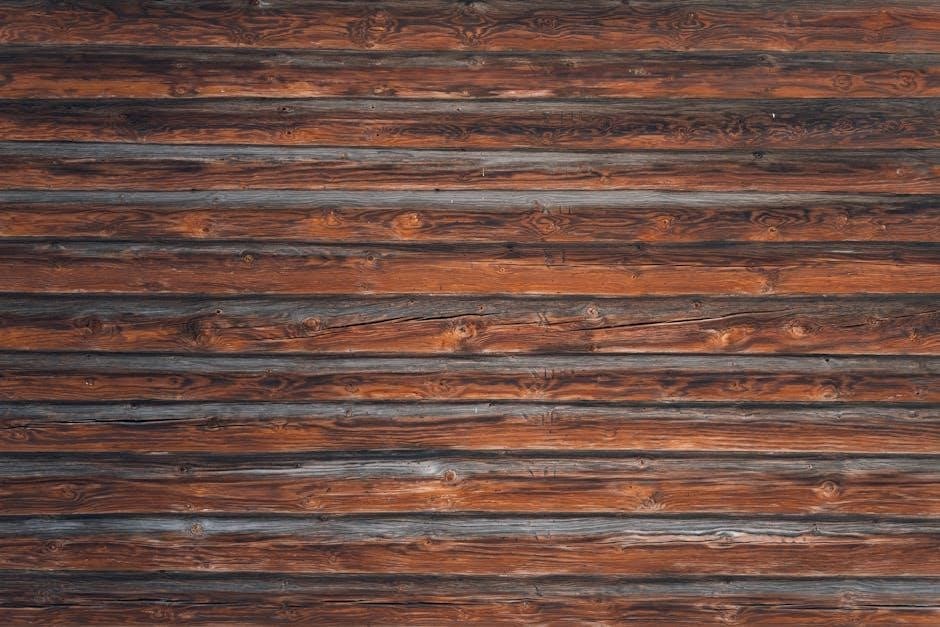
Protecting timber sleepers from decay and insect attack is paramount for longevity․ Timber preservatives, like those conforming to Australian Standards, are crucial, especially for softwood․ H4 treatment provides a high level of protection against in-ground contact and exposure to the elements․ The choice of preservative impacts the timber’s lifespan and environmental impact․
Finishing options, such as oils, stains, or paints, further enhance protection and aesthetics․ These finishes should be compatible with the preservative used and allow the timber to breathe, preventing moisture buildup․ Regular re-application of finishes is recommended to maintain protection․ Untreated timber, even H4 rated, benefits from a protective coating․ Proper preparation, including cleaning and sanding, ensures optimal finish adhesion and long-term performance․
Step-by-Step Installation Process

Successful installation hinges on meticulous preparation and execution․ First, carefully prepare the site, excavating to the required depth and ensuring a stable base․ Next, install posts, ensuring they are plumb and securely set in concrete, with 100mm of gravel for drainage․ Accurate post placement is vital for sleeper support․
Subsequently, position the timber sleepers onto the posts, securing them firmly․ Staggered joints enhance wall strength․ Backfilling is the final stage; compact the soil in layers behind the sleepers, ensuring adequate drainage to prevent hydrostatic pressure buildup․ Proper compaction is crucial for wall stability․ Throughout the process, regularly check for level and alignment․ Following these steps guarantees a durable and aesthetically pleasing retaining wall․
Step 1: Site Preparation and Excavation
Thorough site preparation is paramount for a long-lasting timber sleeper retaining wall․ Begin by accurately marking the wall’s intended location, considering drainage and potential soil pressures․ Excavate the area to the required depth, ensuring a level base for post installation․ Remove all vegetation, rocks, and debris that could compromise stability․
Inspect the soil conditions; unstable soil may necessitate additional ground stabilization techniques․ Proper excavation extends beyond simply digging – it involves creating a firm foundation․ Ensure adequate space for working behind the wall during backfilling․ Accurate measurements and a level base are critical for subsequent steps․ This foundational stage directly impacts the wall’s structural integrity and longevity, so attention to detail is key․
Step 2: Post Installation and Sleeper Placement
With the site prepared, install posts ensuring they are plumb and accurately spaced – typically at 1200mm intervals, and crucially, supported at both ends․ Before setting posts in concrete, add a 100mm layer of coarse gravel to the base of each post hole for enhanced drainage․ This prevents water accumulation and potential rot․
Once the posts are securely set, carefully position the timber sleepers horizontally between them․ Ensure sleepers are level and flush against the posts․ For optimal results, posts should be placed in front of the sleepers, providing maximum support․ Use appropriate fasteners to securely attach the sleepers to the posts․ Double-check alignment and leveling throughout this process, as adjustments become difficult once backfilling begins․ Precise post and sleeper placement is vital for wall stability․
Step 3: Backfilling and Compaction
With posts and sleepers firmly in place, begin backfilling behind the wall in layers, typically 150-200mm at a time․ Utilize a granular material like gravel or crushed rock for optimal drainage and compaction․ Avoid using clay-rich soils, as they retain water and increase pressure on the wall․
As each layer is added, thoroughly compact it using a plate compactor․ This is crucial for maximizing the wall’s stability and preventing future settling․ Ensure compaction extends slightly beyond the wall’s footprint․ Continue this process until the desired height is reached, maintaining consistent compaction throughout․ Proper backfilling and compaction are paramount to counteracting soil and water pressure, safeguarding the longevity and structural integrity of your timber sleeper retaining wall․
Tiered Retaining Walls: Design and Construction
Tiered retaining walls are ideal for managing significantly steep slopes, offering a visually appealing and structurally sound solution․ This approach involves constructing multiple levels of timber sleepers, creating a stepped appearance that breaks up the slope’s incline․ Each tier functions as an individual retaining wall, reducing the overall height and pressure on any single structure․
Design considerations include ensuring each tier is adequately drained and compacted, similar to a single retaining wall․ Terracing requires careful planning to prevent soil erosion between levels․ Incorporate drainage channels and consider planting vegetation to stabilize the soil․ Staggering the sleeper joints between tiers enhances stability․ Proper construction of tiered walls demands meticulous attention to detail, ensuring each level is robust and contributes to the overall structural integrity of the system․
Dealing with Steep Slopes
Steep slopes present unique challenges for retaining wall construction, demanding robust designs and meticulous execution․ Timber sleeper walls can effectively manage these inclines, but require careful consideration of soil mechanics and drainage․ For substantial slopes, tiered retaining walls are often the most practical solution, breaking the incline into manageable levels․
Increased soil pressure on steeper gradients necessitates stronger post support and potentially deeper post embedment․ Thorough site preparation, including proper excavation and compaction, is crucial․ Enhanced drainage systems are paramount to prevent hydrostatic pressure build-up behind the wall․ Geotextile fabric can be incorporated to stabilize the soil and prevent backfill migration․ Consulting with a structural engineer is highly recommended for slopes exceeding a certain angle to ensure a safe and durable retaining wall solution․
Drainage Considerations for Timber Sleeper Walls
Effective drainage is absolutely critical for the longevity and stability of timber sleeper retaining walls․ Without proper drainage, hydrostatic pressure can build up behind the wall, leading to potential failure, timber rot, and costly repairs․ A well-designed drainage system relieves this pressure and ensures the wall’s structural integrity․
Key elements include a gravel backfill layer (typically 100mm) immediately behind the sleepers, allowing water to flow freely․ Weep holes, strategically placed throughout the wall, provide outlets for water to escape․ Geotextile fabric should be used to prevent soil particles from clogging the drainage system․ Surface water diversion, such as grading the land away from the wall, is also essential․ Regular inspection and maintenance of drainage outlets are vital to ensure continued functionality and prevent water accumulation․
Importance of Proper Drainage Systems
Prioritizing proper drainage is paramount when constructing timber sleeper retaining walls; it directly impacts their structural health and lifespan․ Hydrostatic pressure, the force exerted by water, can quickly compromise a wall lacking adequate drainage, leading to bowing, cracking, and eventual collapse․ This pressure isn’t just a concern during rainfall – groundwater also contributes significantly․
Effective drainage minimizes this pressure, preventing timber decay and preserving the wall’s integrity․ Systems incorporating gravel backfill, weep holes, and geotextile fabric work synergistically to channel water away from the structure․ Ignoring drainage can negate the benefits of quality materials and sound construction techniques․ Regular inspections are crucial to ensure weep holes remain unobstructed and the system functions optimally, safeguarding your investment and preventing potentially hazardous failures․
Common Challenges and Solutions
Constructing timber sleeper retaining walls presents several potential challenges; Soil erosion behind the wall is frequent, addressed by proper backfilling with compacted granular material and geotextile fabric to prevent soil migration․ Water pressure buildup, if drainage is insufficient, can cause wall failure – remedied by installing effective weep hole systems and gravel backfill․
Timber rot and decay are ongoing concerns, mitigated through preservative treatments and selecting durable timber species like H4 hardwood or oak․ Uneven ground or steep slopes require careful site preparation and potentially tiered wall designs for stability․ Incorrect sleeper spacing or inadequate post support can lead to structural weakness; adhering to 1200mm maximum intervals and proper post depth is vital․ Proactive inspection and timely repairs are key to long-term wall health and preventing costly issues․
Addressing Soil Erosion and Water Pressure
Effective erosion control is paramount in timber sleeper retaining wall longevity․ Backfilling with well-compacted granular material, coupled with geotextile fabric placement, prevents soil migration behind the wall, safeguarding its structural integrity․ Proper surface drainage diverts rainwater away, minimizing soil saturation and subsequent erosion risks․
Managing water pressure is equally crucial․ Accumulated hydrostatic pressure can cause wall failure․ Implementing a robust drainage system – including weep holes and a gravel backfill layer (typically 100mm) – allows water to escape, relieving pressure․ Regularly inspect weep holes for blockages․ Consider a French drain system for particularly wet sites․ Addressing both erosion and water pressure proactively ensures the wall’s stability and extends its lifespan, preventing costly repairs and potential collapse․
Preventing Timber Rot and Decay
Timber preservation is vital for a long-lasting retaining wall․ Selecting appropriately treated timber – H4 hardwood is recommended – provides initial protection against fungal decay and insect attack․ However, ongoing preventative measures are essential․ Ensuring adequate ventilation behind the wall minimizes moisture buildup, a key contributor to rot․
Applying a timber preservative finish, even to treated timber, offers an additional layer of defense․ Regularly inspect the sleepers for signs of decay, such as softening wood or fungal growth․ Promptly address any issues by replacing damaged sleepers․ Maintaining a gravel drainage layer (100mm) behind the wall further reduces moisture contact; Proper site preparation, including clearing vegetation, also minimizes organic matter that can promote decay․ Consistent maintenance significantly extends the wall’s lifespan, safeguarding your investment․
Maintenance and Longevity of Timber Sleeper Walls
Regular inspections are crucial for maximizing the lifespan of your timber sleeper retaining wall․ Annually check for signs of timber rot, insect infestation, or soil movement impacting the structure․ Ensure the drainage system remains clear and functional, preventing water buildup behind the wall․ Re-apply timber preservative finishes every few years to maintain protection against the elements․
The longevity of the wall depends heavily on timber selection; treated softwood typically lasts 10-15 years, while oak sleepers can exceed 20 years․ Addressing minor issues promptly – replacing damaged sleepers or re-compacting backfill – prevents larger, more costly repairs․ Maintaining proper vegetation control near the wall minimizes root intrusion and soil erosion․ Proactive maintenance, combined with quality materials and sound construction, ensures a durable and aesthetically pleasing retaining wall for years to come․
Future Trends in Timber Retaining Wall Design
The future of timber retaining walls leans towards sustainability and innovation․ Expect increased demand for sustainably sourced timber, certified by recognized forestry programs, minimizing environmental impact․ Research into alternative, durable sleeper materials – like modified timber products offering enhanced rot resistance – is gaining momentum;
Design trends favor incorporating tiered walls on steep slopes, blending functionality with aesthetic appeal․ Integrating smart drainage systems, utilizing sensors to monitor water pressure and soil stability, will become more common․ Prefabricated timber sleeper systems, streamlining installation and reducing on-site waste, are also emerging․ Furthermore, exploring bio-based timber preservatives, reducing reliance on traditional chemical treatments, represents a significant advancement․ These trends aim to create retaining walls that are not only robust and long-lasting but also environmentally responsible and technologically advanced․
Sustainable Timber Sources
Prioritizing sustainable timber is crucial for environmentally responsible retaining wall construction․ Look for timber certified by organizations like the Forest Stewardship Council (FSC), guaranteeing responsible forest management practices․ This ensures timber comes from forests replanted, biodiversity protected, and worker rights upheld․
Consider locally sourced timber to reduce transportation emissions and support regional economies․ Utilizing reclaimed or recycled timber offers an even more sustainable option, diverting waste from landfills․ When selecting hardwood, investigate the supplier’s commitment to sustainable harvesting and replanting programs․ Avoid timber from regions with known deforestation issues․ Choosing durable, naturally rot-resistant species reduces the need for chemical treatments, further minimizing environmental impact․ Transparency in the supply chain is key – ask suppliers for detailed information about timber origin and certification․

Innovative Sleeper Materials
Beyond traditional timber, exciting innovations are emerging in sleeper materials for retaining walls․ Recycled plastic lumber offers exceptional durability, resisting rot, insects, and moisture – eliminating the need for chemical treatments․ These sleepers are often manufactured from post-consumer waste, promoting circular economy principles․
Fiber-reinforced polymer (FRP) composites provide a lightweight yet incredibly strong alternative, boasting a long lifespan and minimal maintenance․ Concrete sleepers, while not ‘timber’, offer a robust and long-lasting solution, particularly for larger walls․ Hybrid systems combining timber with composite elements are also gaining traction, leveraging the aesthetic appeal of wood with enhanced performance characteristics․ Research into bio-based composites, utilizing agricultural waste, presents a promising avenue for truly sustainable sleeper materials․ Careful consideration of cost, environmental impact, and structural requirements is vital when evaluating these innovative options․
Expert Insights and Best Practices
Experienced retaining wall professionals consistently emphasize thorough site assessment․ Proper soil analysis is crucial to determine load-bearing capacity and drainage needs․ Over-engineering is preferable to under-engineering; a robust foundation prevents costly failures․ Always prioritize drainage – inadequate drainage is the primary cause of retaining wall collapse․
Regarding timber selection, H4-treated hardwood is generally recommended for longevity, but consider the specific microclimate․ Ensure posts are deeply embedded and adequately supported, adhering strictly to 1200mm maximum sleeper spacing․ Backfilling should be done in layers, with thorough compaction at each stage․ Regular inspections are vital; address any signs of movement or water damage promptly․ Finally, consult local building codes and Australian Standards to ensure full compliance and a safe, durable structure․ Don’t hesitate to seek professional guidance for complex projects․